How to Become a Motivational Speaker: Your First Steps
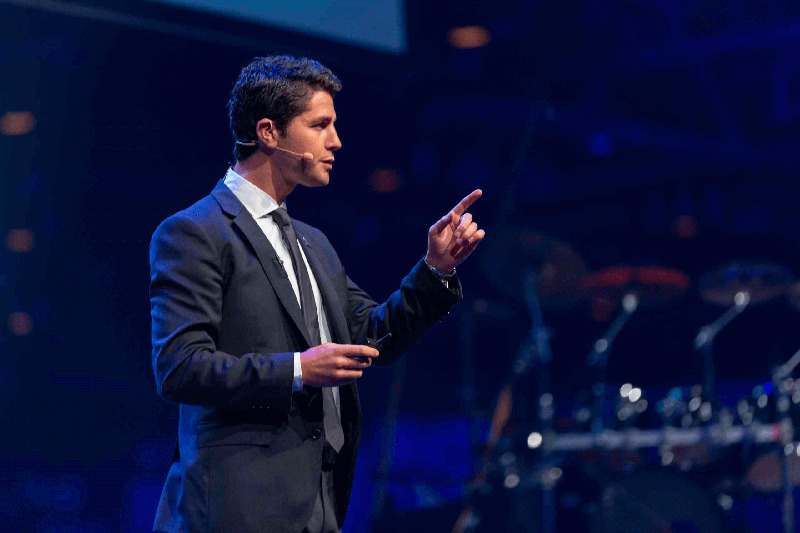
Motivational speaking is more than standing on a stage—it’s about delivering a message that inspires action, transformation, and growth. Whether you’re driven by a personal journey or professional expertise, becoming a speaker requires clarity, structure, and strategy.
At SUCCESS LIFE GOAL, we believe that everyone has a story with the potential to inspire. If you’re ready to explore this path, here are the key first steps to becoming a motivational speaker.
1. Define Your Core Message
Every speaker must begin with a clear message. Your story or experience is powerful, but it needs to be focused. What do you want people to remember after they hear you speak? What transformation are you helping them achieve?
Your core message should be authentic, relatable, and centered around a value or principle—such as resilience, purpose, leadership, or overcoming adversity.
2. Identify Your Audience
Who needs to hear your message? Understanding your target audience helps tailor your content and delivery. Whether you’re speaking to students, corporate teams, athletes, or entrepreneurs, knowing your audience shapes your tone, examples, and language.
Your story remains the same, but the way you deliver it should adapt to the group in front of you.
3. Develop a Signature Talk
A professional speaker typically builds one strong “signature talk” to start. This is a structured, 20–60 minute keynote that reflects your story, key takeaways, and calls to action. It’s your core offering, and it can be adapted or expanded for different settings.
A signature talk usually includes:
- A compelling introduction
- A personal or powerful story
- Clear lessons or insights
- Actionable advice or takeaways
- A strong, memorable conclusion
4. Start Speaking—Anywhere You Can
You don’t need a massive stage to begin. Start small: local schools, community groups, networking events, podcasts, or virtual webinars. These early speaking opportunities help build confidence, test your message, and gather testimonials.
Every talk is experience gained. Every audience is a chance to refine your voice.
5. Build Your Personal Brand
As a speaker, your personal brand matters. Create a professional online presence that reflects your message and mission. This includes:
- A speaker bio
- High-quality headshots
- A simple website or speaker page
- Videos or clips of you speaking
- Clear contact details for bookings
Having a strong digital profile positions you as credible and accessible to event organizers.
Conclusion
Becoming a motivational speaker is not about being perfect—it’s about being real, prepared, and passionate. When you combine personal truth with professional discipline, you create impact. Whether you’re just starting out or already speaking in small circles, these steps are your foundation for growth.